Barge Towing / ODC

Barge towing and ODC movement reviewed at route, cargo, and timing level

We handle barge towing, ODC cargo movement, and shore-to-ship coordination for EPC contractors, project logistics teams, and marine operators. Send route, cargo type, dimensions, and timing — we review and respond based on the actual movement scope.

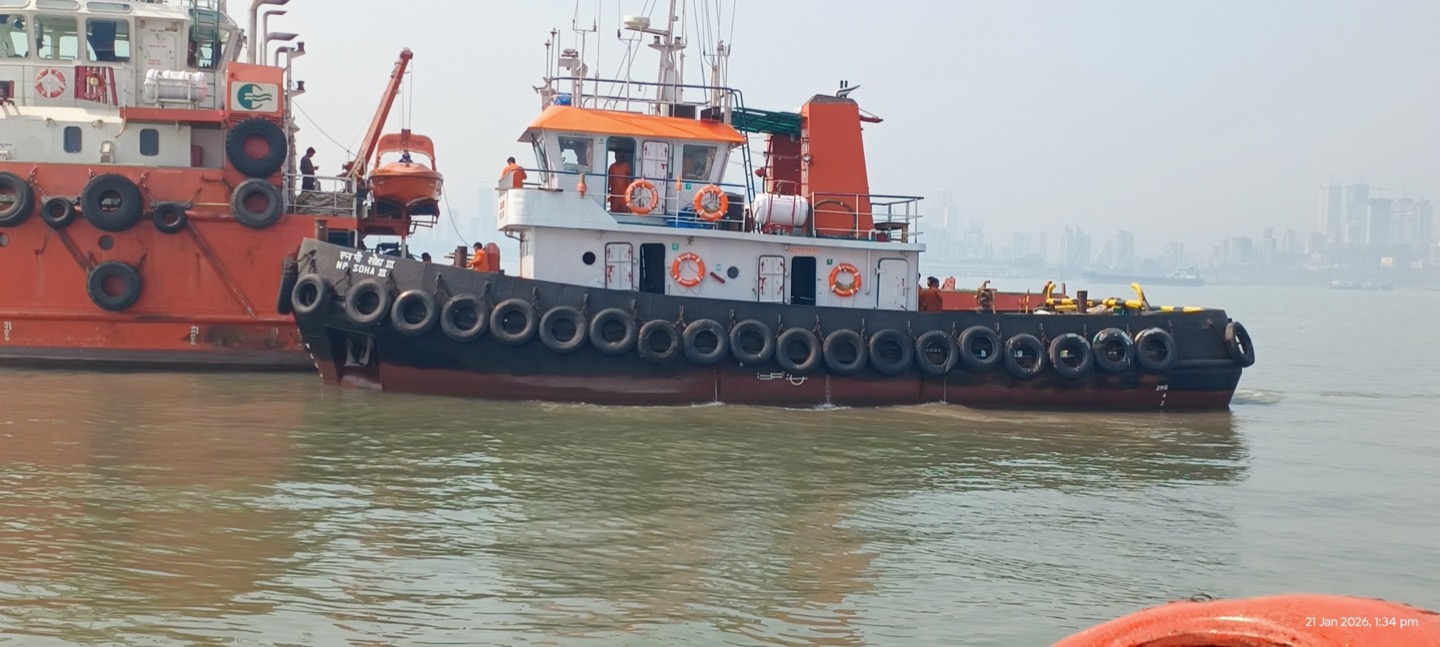
Barge towing operation with heavy project cargo
Service Scope

What we handle within barge and ODC work

Barge towing

  • Port and harbour barge movement, including berth-to-berth and anchorage positioning
  • Coastal barge towing for project and cargo-laden barges on confirmed routes
  • Tug-linked towing with route and operating window checked before confirmation

ODC and project cargo movement

  • Oversize and heavy-lift cargo movement requiring marine handling coordination
  • Loading, transit, and discharge reviewed against dimensions and berth constraints
  • Project cargo scheduling coordinated with route, timing, and marine interface

Shore-to-ship coordination

  • Cargo movement between shore-based staging and inbound or anchored vessels
  • Barge-linked cargo positioning where shore access or port geometry requires it
  • Pre-movement checks on vessel readiness, cargo handling, and shore access
Who This Is For

The teams we handle this work for

EPC contractors and project teams

Managing marine transport within a wider project delivery schedule. Coordinating cargo from port, yard, or staging area to offshore site or receiving vessel, working to fixed windows with route constraints defined.

Project logistics and freight desks

Routing oversize or project cargo through Mumbai or connecting ports. Handling the marine side of a cargo delivery plan where barge or shore-to-ship work is needed and the brief already has route and cargo partially defined.

Marine operators and yards

Moving loaded or empty barges between harbour positions, yard berths, or anchorage. Handling inbound cargo coordination with vessel scheduling and shore-based loading, including linked scope where towage and cargo interface overlap.

What to Share

Detail that lets us respond on the actual job

Route and location Loading point, discharge point, and route detail. Port name, berth number, anchorage reference, or offshore site as relevant to the movement.
Cargo type and dimensions Category, gross weight, footprint, and known handling constraints. Dimensions matter most for ODC and oversize loads where the marine interface is constrained.
Timeline and schedule Cargo ready date, ETA, project window, and any fixed delivery or laycan constraint that affects movement timing.
Handling requirements Shore-based crane availability, barge deck capacity, skidding or lashing requirements, and any vessel positioning constraints at loading or discharge.
How We Work

How the brief becomes a handled job

Brief intake

We receive cargo type, route, dimensions, timeline, and handling requirements from the form or initial contact. The more specific the submission, the faster we can move to a proper scope review.

Route and scope check

We review route viability, cargo handling interface, and timing against available resources. If clarification is needed, we ask one specific question — not a general request for more information.

Direct response

We respond based on the actual job — vessel type, cargo dimensions, route, berth or anchorage, and operating window. If scope changes mid-project, send an updated brief and we review from the revised detail.
FAQ

Questions that come up before a movement brief is submitted.

Send the brief. We respond based on cargo, route, timing, and handling detail.

Include route, cargo type, dimensions, and timeline on the contact page. We take it from there. Urgent requirement? Call +91 96646 73579 directly.